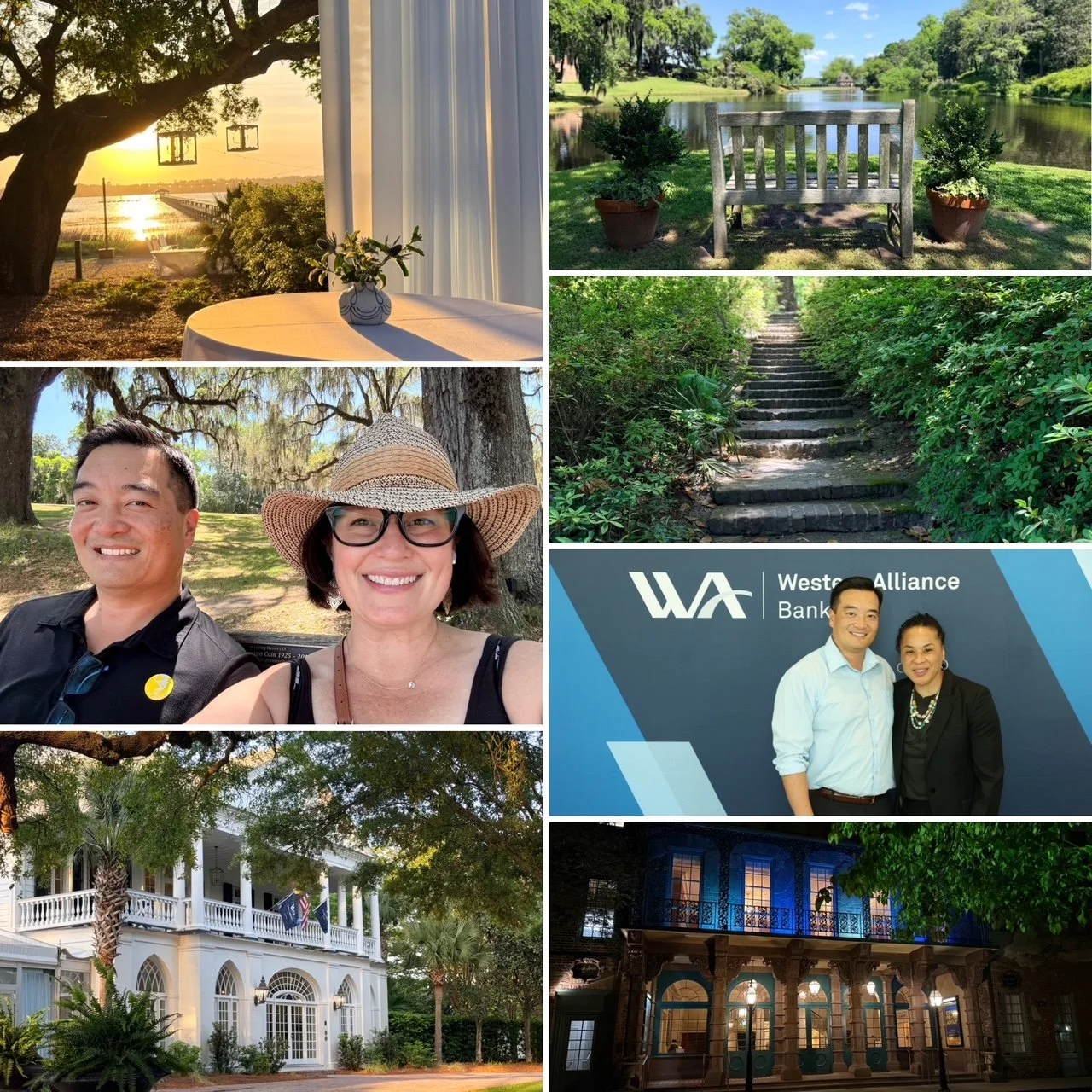
In April, Bryan and I had the opportunity to attend Western Alliance Bank’s CEO Summit in Charleston, South Carolina. Aside from being in one of the most charming cities, the event itself was genuinely worthwhile and full of conversations and insights that stayed with us long after we got home.
Y’all… what a thoughtful event! This experience was filled with two days of engaging speakers and topical sessions that actually felt relevant to what we are all navigating in this industry right now.
We especially appreciated hearing more about the forward-thinking ideas happening within HOA banking through Western Alliance Bank. As people who spend every day helping guide communities through budgets, rising costs, reserve planning, and homeowner concerns, conversations around financial stability, accessibility, and transparency matter to us. It was encouraging to hear about tools and services being developed with associations in mind and to have honest conversations about how we can better support the communities we serve for the long term.
One of the most interesting sessions was hearing from Christopher Thornberg, PhD from Beacon Economics, who spoke candidly about the current economy and where things may be headed. While the economy continues to grow in many ways, inflation has risen significantly over the last decade, insurance continues climbing at an unsustainable pace, and housing affordability remains a real challenge for many people.
For us, those conversations directly connect to what our communities are experiencing right now. Rising insurance premiums, increasing vendor costs, reserve funding pressures, and homeowner concerns about assessments are all tied to these larger economic trends. Understanding the “why” behind these increases helps us guide boards through difficult financial conversations with more clarity, strategy, and perspective instead of simply reacting year to year.
One of the biggest takeaways was the importance of long-term planning. Communities that are proactive—not reactive—will ultimately be in a stronger position. Whether that means properly funding reserves, evaluating contracts earlier, budgeting more realistically, or preparing for continued insurance increases, these conversations reinforced how important thoughtful financial planning has become for associations today.

Another valuable part of the summit was connecting with management company leaders from across the country. We had honest conversations about staffing, homeowner expectations, technology, communication challenges, and operational efficiencies. It was encouraging to hear how others are navigating similar issues and finding creative ways to improve service and create healthier communities.
We also spent time discussing recent case law updates and industry changes, which is always important in a constantly evolving regulatory environment. Staying informed allows us to better advise our boards and help them avoid costly mistakes before they happen.
Two of the highlights for me personally were hearing from Coach Dawn Staley and Dr. Melissa Furman.
Coach Dawn Staley, head coach of the South Carolina Gamecocks, who lead the program to multiple national championships, spoke about leadership, accountability, and building culture in a way that was authentic and impactful. Her message was a powerful reminder that strong leadership is not about control—it is about consistency, trust, discipline, and genuinely showing up for people well.
“Treat people good, they will treat you better.”
- Coach Dawn Staley
Dr. Melissa Furman’s session on the generations in today’s workforce was insightful, exciting, and honestly a little challenging—in the best way. If we didn’t already know it, sense it, or feel it — things are definitely changing. Everyone may just need to stop for a sweet tea break and take a breath!
Dr. Furman broke down the motivations, communication styles, and expectations of different generations in a way that felt practical and incredibly relevant—not just for managing teams internally, but also for understanding how we communicate with boards and homeowners across all age groups. One thing became very clear: the pace, style, and overall way business gets done is evolving quickly, and it will continue shaping how we lead, communicate, and serve people well into the future.
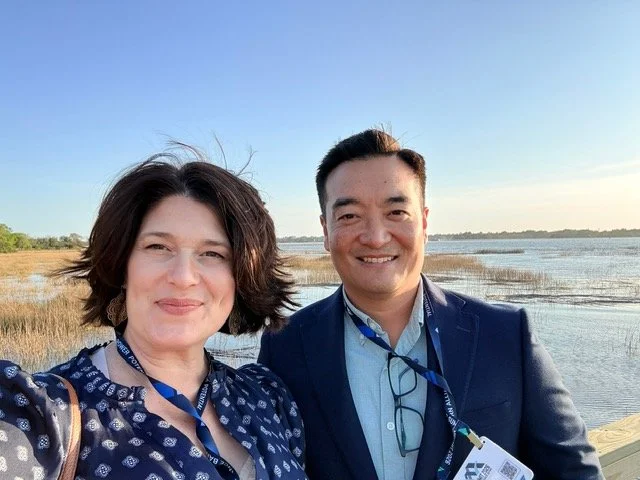
Overall, we left Charleston feeling encouraged, challenged, and grateful for the opportunity to learn from so many smart people. More importantly, we came home with ideas, perspective, and practical takeaways that help us continue improving how we serve our clients and communities every day.